Understand the effects of alcohol on oral health and how excessive consumption can harm your teeth and gums. Tips to protect your smile while enjoying a drink.

Alcohol and Oral Health: How Consumption Impacts Your Teeth and Gums
Alcohol consumption, although socially accepted, can have serious negative effects on oral health, especially when consumed in excess. From an increased risk of cavities to gum deterioration, the impact of alcohol on the mouth should not be ignored. Understanding these effects and adopting habits to protect your teeth can help maintain a healthy smile, even with occasional alcoholic beverages.
Effects of Alcohol on Oral Health
- Dehydration and Dry Mouth (Xerostomia): Alcohol is a diuretic, meaning it can cause dehydration and reduce saliva production. Saliva is essential for protecting the teeth, neutralizing acids, and helping to remove food particles. Dry mouth, therefore, increases the risk of cavities, bad breath, and gum disease.
- Tooth Decay: Alcoholic beverages, especially those with high sugar content (such as cocktails and liqueurs), feed the bacteria in the mouth, which produce acids that attack tooth enamel. This can significantly increase the risk of cavities.
- Gum Diseases: Excessive alcohol consumption can harm gum health, increasing the risk of gingivitis and periodontitis. Alcohol can also interfere with the body’s ability to fight infections, which hampers the recovery of inflamed gums.
- Tooth Stains: Some alcoholic drinks, like red wine, can stain teeth due to the tannins present in the beverage. This can affect the appearance of your smile over time.
- Changes in Oral Bacterial Flora: Alcohol can disrupt the balance of bacteria in the mouth, promoting the growth of harmful bacteria that can cause bad breath and inflammation.
How to Protect Your Teeth When Drinking Alcohol
- Stay Hydrated: Drink water between alcoholic drinks to help keep your mouth hydrated and stimulate saliva production, which is essential for protecting your teeth.
- Avoid Highly Sugared Alcoholic Beverages: Opt for drinks with low sugar content or those without added sugars, such as dry wines or distilled spirits. This helps reduce the risk of cavities.
- Brush Your Teeth After Drinking: After consuming alcohol, wait at least 30 minutes before brushing your teeth. Alcohol can temporarily soften tooth enamel, and brushing immediately afterward can cause damage. Use a soft-bristled toothbrush and fluoride toothpaste.
- Use Dental Floss Regularly: Flossing can help remove food and beverage particles stuck between your teeth, preventing bacteria buildup that can cause cavities or gum disease.
- Visit the Dentist Regularly: Periodic dental visits are essential to assess oral health, detect problems early, and receive personalized guidance.
Conclusion
Excessive alcohol consumption can have serious consequences for your oral health, including enamel erosion, gum disease, and dry mouth. While limiting alcohol intake and practicing good oral hygiene are critical, taking proactive steps to support your teeth and gums is equally important.
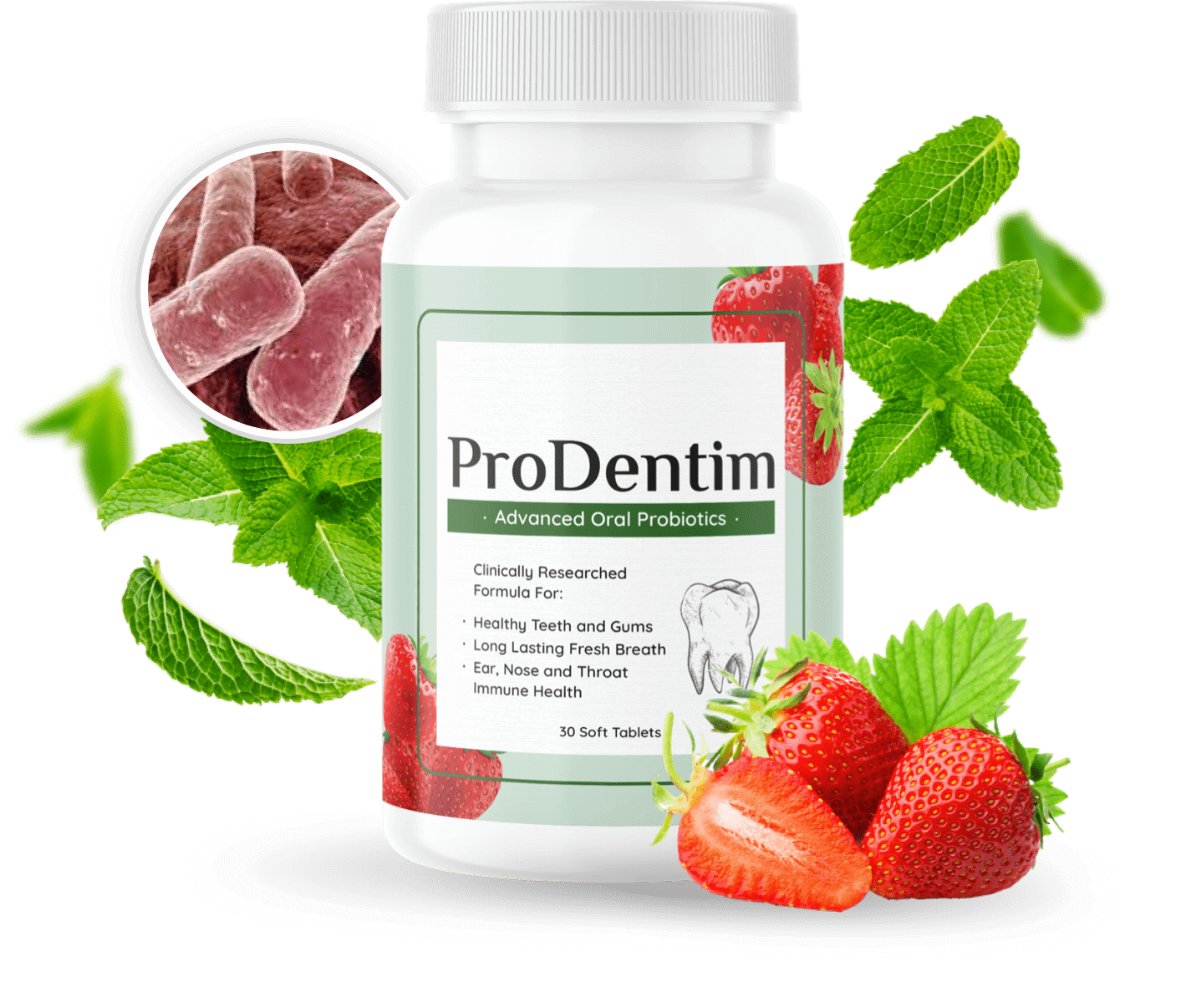
This is where ProDentim can make a difference. Formulated with potent probiotics and natural ingredients, ProDentim helps restore balance to your oral microbiome, which alcohol consumption can disrupt. By strengthening your gums, protecting tooth enamel, and promoting fresh breath, ProDentim serves as an essential companion in counteracting the harmful effects of alcohol on your oral health.
Take charge of your smile and enhance your oral care routine with ProDentim. Whether you indulge occasionally or are working toward reducing alcohol consumption, ProDentim provides the extra support your teeth and gums need for long-term health and confidence.
Scroll to the bottom of the page to uncover the secret and take the next step!